Navigating Social Media as a Nurse: Building a Professional Presence Without Losing Yourself or Your Job
By: Sarah K. Wells MSN RN CEN CNL
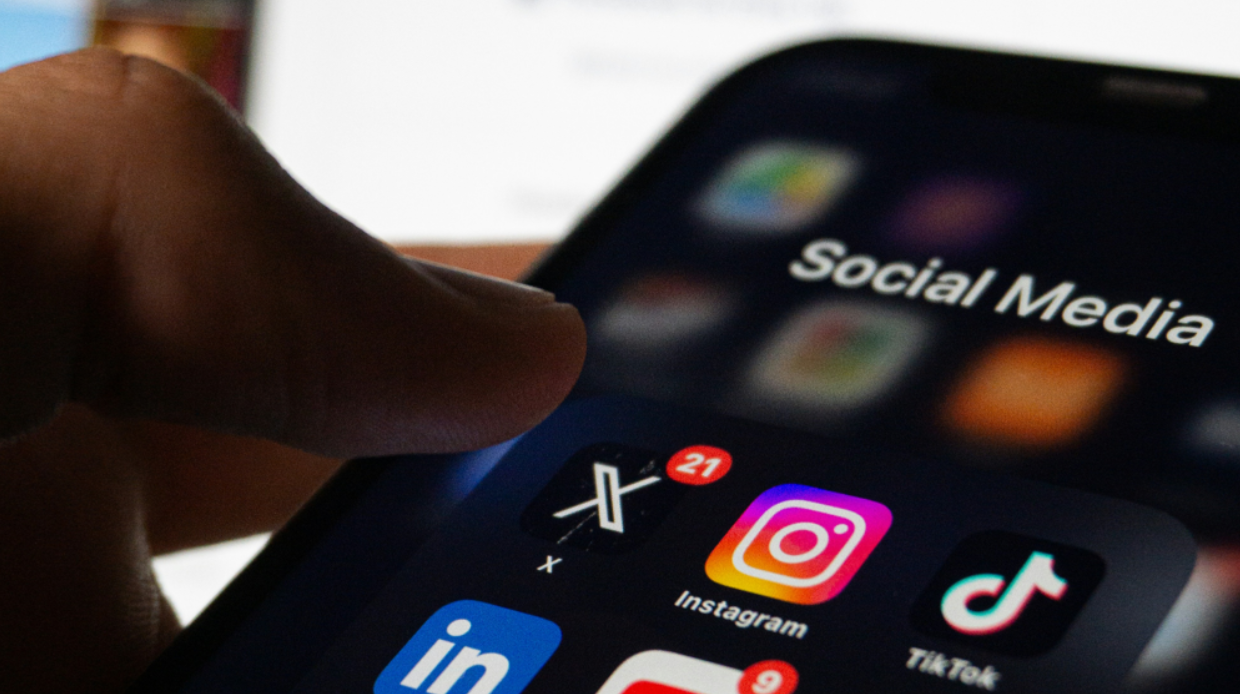
With a smartphone in every pocket, everyone can now be a content creator. As nurses, we have to take special precautions in what we post and share online. Nursing has always been a public-facing profession, but "public" used to mean the unit, the hospital, or the community you served in person. Today it also means LinkedIn, Instagram, TikTok, and whatever social media platform comes next. For nurses, that shift brings real opportunity, and real risk, in roughly equal measure.
Why This Conversation Matters Now
Nurses are rated the most trusted professionals in the United States year after year. When a nurse posts about patient care, life on the floor, or health topics, people listen differently than they do to almost any other voice online. That's a powerful platform for advocacy, education, and career growth.
It can also be a liability if handled carelessly. A single post, even one meant as a joke, a vent, or a "harmless" story, can violate patient privacy, damage a nurse's or employer's reputation, and unfortunately, has the potential to end a career. Boards of nursing have disciplined nurses for social media conduct, and HIPAA doesn't take a break just because something feels anonymous enough in your head.
So the goal isn't to avoid social media. It's to use it intentionally.
What Professional Social Media Use Actually Looks Like
1. Treat every post as public and permanent.
Privacy settings help, but screenshots exist. Before posting, a useful gut check: would you be comfortable with your nurse manager, a patient's family, or your state board seeing this? If the answer is no, do not proceed.
2. Know your employer's policy before you need it.
Most healthcare organizations have explicit social media or professional conduct guidelines. Read yours. Some restrict posting photos in uniform, with the company logo, or on hospital grounds; others require disclaimers on health-related content (ex: "Views are my own"). Knowing the policy in advance protects you far better than apologizing after the fact.
3. Separate your clinical voice from your personal one.
Many nurses maintain a professional presence sharing evidence-based health information, career insights, or advocacy topics separately from personal accounts where friends and family follow. This isn't about hiding who you are; it's about giving your audience clarity on what they're getting from you.
4. Never identify a patient, even indirectly.
This is bigger than names and photos. Room numbers, diagnoses, unusual circumstances, timing details, or even an inside joke about "that patient today" can be enough to identify someone in a small community or a specific unit. The safest rule is the simplest one: don't post about patients, full stop. If you want to reflect on a hard shift, talk about your own experience and emotions, not the clinical details.
5. Use platforms to build your career, not just your following.
LinkedIn in particular rewards nurses who share genuine expertise: professional lessons learned, a perspective on a policy change, a resource for new grads. This kind of content builds credibility, opens doors to networking, different roles, or leadership tracks. It is far more reliably than a viral moment.
The Upside Is Real
Nurses who engage thoughtfully online are shaping public understanding of the profession in ways that matter. During public health crises, nurse voices online have corrected misinformation and provided reassurance. Nurse creators have demystified the profession for people considering a nursing career. Nurses have used LinkedIn to advocate for appropriate staffing and healthy working conditions, reaching leaders, legislators, and the public alike.
Professional social media use isn't about filtering nurses. It's about making sure the enormous trust placed in this profession translates into a voice that's heard and respected.
More Tips Worth Bookmarking
If you want a deeper dive, the American Association of Critical-Care Nurses (AACN) published a helpful piece on this exact topic:
"Do's and Don'ts of Social Media Use for Nursing Professionals" >> https://www.aacn.org/blog/dos-and-donts-of-social-media-use-for-nursing-professionals
It's a good companion read to this post because it lays out practical tips and strategies rather than just principles. You also might recognize the author.
A few highlights:
Something as small as an unblurred badge or a computer screen visible in the background of a photo has been enough to create a HIPAA problem. The risk isn't always the obvious overshare: it's the incidental detail you didn't think to check.
Posting while on shift is one of the more common professional-conduct violations, and it carries extra risk if anything goes wrong clinically at the same timestamped moment you were online.
Connections with patients or their families online deserve real caution, even acknowledging that you're someone's nurse in a public comment thread can cross a confidentiality line.
Content shared online should be treated as though it may one day be reviewed in a courtroom. Once something is posted, it's effectively permanent, regardless of whether it's later deleted.
Worth a full read if you're building or refining your own social media practice or the policy for your unit.
A Few Questions Worth Asking Before You Post
Does this post include any detail, however small, that could identify a patient?
Am I speaking as myself, or could this be read as representing my employer?
Would I be comfortable explaining this post to my nurse manager or state board?
Is this the platform and tone I want associated with my professional reputation?
None of this requires nurses to be silent or sanitized online. It requires the same thing good nursing practice always has: judgment, care, and respect for the people we serve, only extended now to a much larger, much more permanent audience.
What's your take? How does your organization approach social media guidance for healthcare staff, and where do you draw your own personal line?
About the Author:
Sarah K. Wells, MSN, RN, CEN, CNL is an experienced nurse career strategist dedicated to helping nurses and nurse practitioners of all experience levels and specialties achieve success in their nursing and NP journeys. Sarah founded New Thing Nurse and NTN Consults to help provide support and guidance to the nursing and healthcare community in a simple and direct format. Sarah’s vision is to foster a more supportive and fulfilled nursing world that spreads throughout healthcare and beyond.
Sarah has partnered with Ripple Health AI as a Nurse Advisor and Business Development Lead. The original version of this article appeared on the Ripple Health AI Insights blog.
Sarah is serving as a 2026 Advocacy Fellow with ANA-California, focusing on AI and equitable nurse staffing. Learn more about the 2026 ANA-California Advocacy Fellowships.
New Thing Nurse helps the nursing and NP community thrive in their careers! Join us on IG or Facebook @newthingnurse 🩺