New Thing Nurse

Let us help with your new thing.

  • NTN Consults
  • Home
  • About
    • Who is the New Thing Nurse?
    • NEW THING NURSE
    • DISCLAIMERS
  • TEMPLATES
  • Services
    • NURSING STUDENTS & NEW GRADS
    • EXPERIENCED NURSES
    • NURSE PRACTITIONERS
    • WORKSHOPS & EVENTS
    • FAQ: HAVE A QUESTION? READ THIS
    • REVIEWS
  • ADVOCACY
  • BLOG
  • RESOURCES
    • FAVORITES
    • PPE CARE PACKAGE PROJECT
    • MENTAL HEALTH
    • VIOLENCE AGAINST HEALTHCARE WORKERS
  • CONTACT

You Matter: The Worth of an Emergency Nurse

May 08, 2026 by Sarah Wells

By: Kristen Cline BSN RN CEN CPEN TCRN CFRN CTRN CCRN

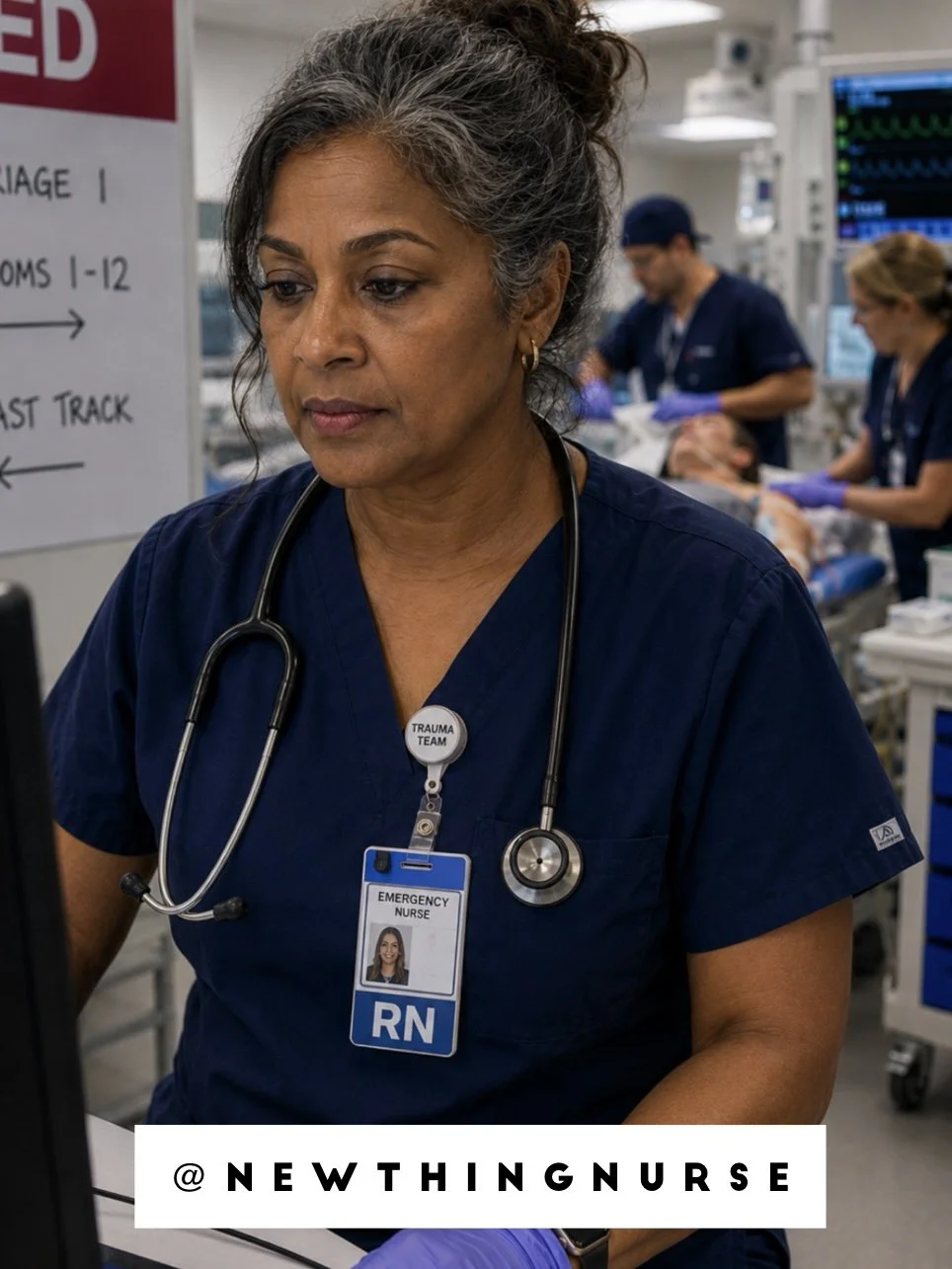
I see her in a corner of the Emergency Department. A small figure in scrubs that are too big, with wiry white hair that rejects a brush. She is a fixture in this community hospital, and she is checking the crash cart. She has outlasted her peers and has never worked anywhere else. She teaches full time: ACLS, PALS, NIHSS, all the letters. Her voice is low, but her eyes are sharp.

Those eyes meet mine across the busy ED. I can't stop to talk: I have two new graduate nurse residents with me. One fresh and young, full of confidence and promise who fell in love with the ED when he saw his first open thoracotomy during clinicals.

This is where I want to be.

The other, a nontraditional nursing student who spent much of her adult life in the Pre-Op unit as a CNA. She is a mom who fought for her BSN while raising two children. She knows everyone in the hospital, asks a million questions, and radiates intensity.

This is where I want to be.

I spent almost seventeen years in clinical practice as an ED charge nurse, an ICU nurse, and a flight nurse. Now that I am a clinical educator. Nurses are my patients. These two new nurses are a life-giving source of energy and hope that the whole unit can sense, fresh clean air blowing away the cobwebs. I want them to love their chosen profession, and I arm them as best I can against what’s coming: the understaffing and the moral injury, the violence and the administrative indifference, the slow erosion of conditions forcing good nurses to leave. They remind me that we can be better. We must be.

The seasoned nurse smiles. Maybe she sees in me what I see in my nurse residents. Maybe she sees the crowd of nurses she has trained over the many decades whose names she has forgotten, but who will never forget her. Does she perceive the magnitude of her life? How do we put a value on a lifetime of service? When she looks back at her long career, what does she see? Does she understand the impact she has made?

How does she know she mattered?

You matter: The Worth of an Emergency Nurse

What is the worth of a nurse? One could consider many metrics: some nurses consider the cost of their degree both in time and trials, if not merely the price of their student loans. Society has quantified the lack of nurses and called it a “nursing shortage”. A CFO’s spreadsheet might see nursing as a cost center, FTEs to optimize and eliminate.

What does a single nurse, over a 30-year span of service, contribute to the economy in objective metrics? The cumulative impact of a single bedside nurse across an entire career is scattered through a constellation of published studies. Assembled, it tells a story the spreadsheets have been missing.

The Emergency Nurse: 100,000 Patient Lives Changed

Consider an emergency nurse. Three twelve-hour shifts a week in a mid-volume ED that sees 60,000 visits a year. On a busy shift, they may treat 20 patients or more. On a quiet one, merely 12. They triage and stabilize, teach and advocate. They hold the hand of the trauma patient whose family has not arrived. They bring another back to life with muscle and will. They offer dignity with a shower and a meal to the one with nowhere else to go. 156 shifts a year. Plus overtime. An endless sea of faces who each remember the nurse who got them through the worst day of their lives, even if the name is misremembered.

Over 30 years, that nurse will care for an estimated 100,000 patients. One hundred thousand human beings touched by those hands. Some were dying. Many were afraid. Roughly 12% of them — 12,000 people — arrived with life-threatening or emergent conditions. Some of them were clinically bereft of life. The emergency nurse will participate in an estimated 500 to 1,000 cardiac resuscitations across a career.†

Not every code is a save, and not every save is during a code. Most are quieter than that. The chest pain patient in bed 4 looks gray and diaphoretic: the ED nurse gets a 12-lead before the physician has finished triage. ST elevation in II, III, aVF, an inferior STEMI. The cath lab is activated before the patient fully understands what is happening, but the nurse will talk them through. The nurse who spots the tombstones and makes that call has just bought precious more minutes of life.

Strokes are even faster. During an untreated ischemic stroke, the brain loses 1.9 million neurons every minute starved of oxygen. The ED nurse performs the stroke scale at the bedside, activates the stroke alert, and initiates the chain that gets TNK to the patient before the window closes. Neurons, counted in millions and costing days, saved or lost by the speed of the nurse's hands.

Before any of this happens, every ED visit begins with two minutes at the front door. A nurse looks at you, takes your vitals, asks why you came. They are deciding how sick you are in the time it takes most clinicians to wash their hands. Triage is the highest-stakes two-minute decision in healthcare, made thousands of times a year.

Then there is sepsis. The patient who often looks sick in a way that doesn't match their vitals yet. Tachycardic but not hypotensive. Warm but wrong. Pink and panting. The ED nurse draws the lactate, obtains cultures, gives fluids and pushes the first antibiotic while the workup is still running.

Sepsis is the third leading cause of in-hospital death.  Over 30 years, one ED nurse will screen roughly 21,000 patients for serious infection and manage 800 to 3,000 confirmed sepsis cases, each one a race the patient doesn't know they might lose.

More than one in ten American deaths occurs in an emergency department. Over a 30-year career, one ED nurse will be present for roughly 210 of those deaths — about seven a year, one every seven or eight weeks. Some arrive in arrest with life long passed. Some die despite our very best. A few die in ways that stay with us for years, surfacing without warning in the shower or on the drive home.

When death wins, the ED nurse will clean up your loved one. They will change the sheets and put a fresh gown on their still form. They place warm blankets over things no one else should see. They leave a hand out above the sheets, to be held in grief. They turn the lights down low and arrange some chairs, providing coffee and crackers for your family. Someone might be hungry and the cafeteria closed long ago.

Then they call the mortuary, making the arrangements no one can yet bring themselves to contemplate. They give you a few more minutes with your loved one. It’s ok. We don’t need the room for a bit. They give you a few more minutes to pretend this is a bad dream. Once you leave, it becomes terrible and real and now life has an ‘after’.

We let you stay as long as we can.

What is that worth? A 2024 study showed that adding one additional nurse to the busiest ED day shift can shorten stays and avoid $160,000 in lost patient wages per 10,000 visits. That decrease in service times frees up capacity for treating more patients, which may can generate $470,000 in extra net revenues for the facility per 10,000 visits. The authors wrote “investing in nursing will more than pay for itself.

Unintentional injury is the leading cause of death for Americans aged 1 through 44, and the third leading cause of death overall. The 2019 economic cost of injury in the United States reached $4.2 trillion, more than half of which fell on working-age adults. Trauma is unique among acute presentations because the physiology is time-dependent in a way nothing else is. The trauma nurse holds the clock at the bedside from arrival through ICU handoff. Every minute they keep is a minute the patient remains salvageable.

That conversion is mechanical. The trauma activation alert pulls the nurse to the bay before the patient arrives. The primary survey runs in parallel with vascular access, large-bore lines, rapid infuser primed, blood at the bedside before it's needed. The nurse expertly executes the massive transfusion protocol when the surgeon calls for it, and increasingly recognizes the indication before the surgeon makes the call. Pooled data show MTP activation reduces overall trauma mortality by approximately 29%. Each minute of delay between ED arrival and operative bleeding control increases hemorrhagic-death odds by 1.8%. Across 79,000 patients in 34 ACS-verified trauma centers, VTE prophylaxis initiated within 24 hours of admission cut venous thromboembolism by more than half compared to delays beyond 48 hours. Each finding maps to a specific bedside action. Each carries a price in lives.

Pediatrics are particularly vulnerable. A national cohort study of 796,937 children treated in 983 emergency departments demonstrated that high pediatric readiness, which includes metrics such as staffing, equipment, policies, quality improvement, cut in-hospital mortality by 60% to 76%, with the benefit persisting at one year. The investigators modeled that if every ED reached the highest-quartile readiness, approximately 1,442 pediatric deaths could be averted annually. A 2024 follow-up across 417 US trauma centers found that changes in pediatric readiness from 2013 to 2021 mapped directly to changes in pediatric mortality: high-readiness EDs corresponded to 643 lives saved, while persistent low readiness corresponded to 729 preventable pediatric deaths. The pediatric emergency care coordinator role, almost always filled by a nurse, is what holds these readiness elements together at the bedside. A national program, the National Pediatric Readiness Project, is being promoted and operationalized by emergency nurses across the country.

Revenue data largely misses the point. The emergency department is America's last remaining social safety net. The Emergency Medical Treatment and Labor Act (EMTALA) requires screening and stabilization of every patient who darkens the door, regardless of ability to pay. The ED nurse performs social work, crisis intervention, intimate partner violence screening, and substance use disorder counseling. None of it appears on a hospital bill, all of which holds together what's left of the social contract.

ED often involve a mental health or substance use crisis, with wait times for boarded patients awaiting transfer to a dedicated mental health facility lasting from hours to days. During those hours, the ED nurse is the psychiatric provider: performing risk assessment, managing agitation, sitting with patients in rooms stripped of anything that could cause harm, checking on them every fifteen minutes through the night.

They do this while facing an epidemic of workplace violence: 70% of ED nurses report being physically assaulted at work, often with no repercussions and no laws to protect them. They do it anyway. They’re often told that it is simply "part of the job."

……………..

I think about the nurse with the white hair checking the crash cart. Thirty years in one emergency department. How many patients passed through her hands — fifty thousand? Eighty thousand? How many new nurses learned to read a rhythm strip because she was patient enough to teach them? How many codes ran smoothly because she had checked that cart, again, the way she always has? Steady, consistent; not glamorous but vital. Life preserving.

You matter.

Note:

† The 500–1,000 career resuscitation estimate is an illustrative calculation: roughly 292,000 adult in-hospital cardiac arrests occur annually, with about 10% in emergency departments, plus transported out-of-hospital arrests, distributed across approximately 5,000 US emergency departments.


About the Author: Kristen Cline is a Professional Development Practitioner in the Bay Areaand the founder of Regulation Loop LLC. Her clinical career spans 20 years across emergency, ICU, and flight nursing, including service as a Trauma Program Manager.  Her published work appears in Annals of Emergency Medicine, the Journal of Emergency Nursing, the Bulletin of the Atomic Scientists, KevinMD and several major nursing textbooks and serves on the editorial board of Air Medical Journal.


Follow Kristen Cline:

Email: kristen.cline@gmail.com

LinkedIn: linkedin.com/in/kristen-m-cline

SubStack: kristencline1033.substack.com


New Thing Nurse helps the nursing and NP community thrive in their careers! Join us on IG or Facebook @newthingnurse 🩺
May 08, 2026 /Sarah Wells
2026, LINKEDIN, SOCIAL MEDIA, PROFESSIONAL, NETWORKING, NEW THING NURSE, RESUME, JOB APPLICATIONS, NEW JOB, ATS, NURSE, NURSING, NURSING STUDENT, NURSE TRIBE, NURSE MOM, NURSE LEADER, NURSE CONSULTANT, NURSEING, RN, REGISTERED NURSE, STUDENT NURSE, NURSING SCHOOL, FUTURE NURSE, RNS, NURSING STUDENTS, NURSINGSCHOOL, NURSINGSTUDENT, JOB, FIRST JOB, JOBS, NURS JOB, NURSE JOB, JOB OPPORTUNITIES, JOB SKILLS, RESUME WRITING, SKILSS, HOW TO, MYTHS, TRUTH, TRAVEL, TRAVELING, TRAVEL NURSE, TRAVEL NURSING, ICU, ER, ED, ED NURSE, ER NURSE, ICU NURSE, PCU, MEDICAL SURGICAL, TELEMETRY, HOSPITAL, HOSPITAL JOB, HOSPITAL LIFE, STUDENT NURSE LIFE, MEDICAL, MEDICINE, HEALTHCARE, HEALTH, DIY, DO IT YOURSELF, JOB SEARCH, NURSE LIFE, NURSE STRONG, NURSE LOVE, LOVE, SUCCESS, SUCCESSFUL, SUCCEED, CLIENTS, CLINIC, CLINICS, COVER LETTER, INTERVIEW, INTERVIEWS, INTERVIEW ADVICE, ADVICE, INTERVIEW COACHING, INTERVIEW COACH, INTERVIEWER, JOB INTERVIEWS, JOB INTERVIEW, PAY, COMPENSATION, PAYCHECK, PAY CHECK, JOB ADVICE, NEGOTIATIONS, WAGES, WAGE, PRECEPTOR, PRECEPTORSHIP, NEW GRAD NURSE, NURSINGSTUDENTLIFE, ORIENTATION, INTENTIONS, NEW YEAR, GOALS, ADVOCACY, AI, ARTIFICIAL INTELLIGENCE, WORKFORCE BUILDING, STAFFING, NURSE STAFFING, HIRING, SCHEDULING, emergency, emergency nurse, nurses week, nurses month
Comment

What to do if you are a patient or have a loved one in the Emergency Room

January 29, 2022 by Sarah Wells in education, emergency nursing, family, how to, inspiration, New Thing Nurse, nurse, nursing, nursing school, nursing students, public health

This post is dedicated to all the other nurse family members and friends out there.

As the emergency nurse in my family and friend circle, I am almost always one of the first calls or texts by people when they wind up in the ER or have a loved one that is an emergency patient.

First and foremost - I always tell the person on the other end of my call or text that I am so sorry that this is happening but please know that if you or your loved one is being taken to the emergency department, you most likely need to be seen by a medical provider and that the hospital is THE PLACE to be evaluated for all things medical. This often helps calm the person or at least put some of their concerns in perspective.

Next - I always validate whatever feelings they are having. It is normal to freak out when going to the ED or hearing that your loved one is going there. We do not have to be rational in a moment of crisis. Give people space to be emotional. Validate those feelings, then try to guide them back to the practical. I feel that is the greatest gift a nurse friend or family member can do - direct a person in crisis to something practical and addressing the scary unknown.

Now, if you’re reading this and you are not a nurse or medical person, WELCOME to the organized chaos that is emergency medicine! I am hoping this blog post will help clarify some of the confusion that you may be feeling and give support by answering some of the most common questions that I get as an emergency nurse friend and family member.

Clarification on the method to the madness that is emergency medicine:

  • Is it the ER or ED? Emergency Room vs. Emergency Department

    • Funny thing, it’s both. - The Emergency Department (ED) is the same thing as the Emergency Room (ER). You see, the specialty of emergency medicine was born in a room and originally, seemed confined to those original four walls. As the specialty became more advanced and comprehensive, we took up more than a room, and the ER went through a re-branding to become the emergency department. In common nomenclature and thanks to Hollywood, ER will always be more widely used. ED also stands for ‘erectile dysfunction’ in medicalese, so there is that challenge too.

  • What happens when I or my loved one arrives to the ED?

    • The short answer: lots of things. - Being a patient in the ED is like being a Nascar car that just arrived in the pit and is getting a quick turnover by the pit crew. Upon arrival, a patient will be quickly registered in the computer system - this means that their name, DOB, and other personal data will be put in the computer to create a digital chart that medical providers will use to document their care. This is not when they ask for your health insurance.

    • At the same time as registration, the patient will be taken one of two ways into the ED (assuming no one is ahead of them) >> to the triage room/area or directly to an ED exam room. In either case, the patient’s vital signs (i.e. heart rate, blood pressure, oxygen saturation, respiratory rate, temperature) will be taken and documented, lots of questions asked about their health history (things that have happened to them in the past medically), about their current issues that have brought them to the ED today (AKA “Why are you here today?”), current medications, and screening questions that they ask everyone related to domestic violence (“Do you feel safe where you live?) and suicidal thoughts (“Have you thought about ending your life, harming yourself, or others?”). Do not take these screening questions personally. They are often mandated by a regulatory body to be asked to everyone who can answer them.

      • In the time of COVID-19, ED’s are incredibly full of patients 24/7 so more realistically, you will be waiting in the waiting room for a very long period of time (think many hours) if you come by private vehicle (AKA your car) or a very long time on an EMS gurney if you come by ambulance. There is also the chance that if you come by ambulance, you will be re-directed to the waiting room too to wait. I am sorry. This is just the reality of emergency care at this time.

    • As these questions are being asked, orders may be placed for an EKG, blood labs, medications, IV placement, or imaging like X-rays, ultrasounds, or in some cases, CTs ( AKA Cat Scans - no cats involved). If this is the situation, you may be quickly poked or transported somewhere to have pictures taken of various body parts. This is good. You want answers and to get answers, tests need to be done. However the results of these tests may take anywhere from 45 minutes to hours to come back. A medical provider will review any abnormal results with you at a later time.

    • To complete many of these tests, you will need to be undressed to your birthday suit and placed in a hospital gown and socks with those rubber skids on the bottom. Please do not fight medical staff as they try to undress you. It is for medical reasons and not our entertainment that we need to get you naked. if you have cultural needs that need to be addressed like needing a specific gendered medical staff to assist you while undressing or religious garments that need to be maintained in a certain way, please let your medical staff know, and they will do their very best to make those accommodations while also meeting your medical needs as quickly as possible.

    • All of these events can happen concurrently which is often why the patient feels like the car getting handled by a pit crew. Lots of stickers may suddenly be attached to you with cords going all over the place. There may be pokes with needles or probes in various orifices. You may be asked to produce body fluid samples like urine or sputum while all this is happening. None of this is ideal or often comfortable, but know that we are asking you to do each task with the goal of getting you the care that you need rapidly and efficiently.

  • After the initial triage or intake process is completed for my loved one, does that mean I saw a MD/doctor/provider such as an NP or PA?

    • Maybe! But probably not. - Sometimes a physician or advanced care provider (NP/PA) will see you as soon as you arrive to the ED. Most often, it will take anywhere from a few minutes to several hours to see a physician during your visit. Average ED visits in the United States take anywhere from 4-8 hours, often longer in our current pandemic world.

    • If I am not immediately seen by a MD/provider as soon as I arrive, are things even happening those first few minutes to hours?? - Fear not! Lots of things will happen before the MD/provider physically sees you. Thanks to collaborative care and technology, many things will be ordered on you based on your “complaint” or reason why you are in the emergency department. Labs, scans/x-rays, medications, IVs, fluids and more are ordered “per protocol” or through “standing orders” and will be started as soon as you are seen (when applicable).

    • What if I get there and nothing happens? - This may happen too. If that is the case and you are waiting for an extended period of time in the waiting room, there is a reason. There is always a reason. However nothing is perfect and if you feel that you are there for a very big reason, check back in with the front desk. However if they say there are lots of sicker people who are waiting ahead of you, get comfortable and try to be patient as you wait your turn.

  • Why aren’t I being seen faster?

    • Who gets seen first in the ED - The order of who gets seen first is not based on when people get there. It is based on a combination of complaint or illness/injury severity, timing, and who shows up next. Remember that the ED has two entrances - the front entrance where triage and the waiting room is + the ambulance entrance which you cannot see from the waiting room. The waiting room may be empty but ambulances might not stop coming, so it may appear that the ED is not busy from the waiting room while all the rooms are actually full of patients with a line out the ambulance door in the back. Please be patient as we work to get you and your loved one taken care of.

  • Who can come into the ED to visit or accompany me or my loved one?

    • It all depends. - This is a hard one. During high COVID-19 surges, there are often NO VISITORS allowed in the ED. The only exceptions are an adult guardian for minors, possibly a care giver or guardian for memory (EX: dementia) or cognitively impaired or delayed patients, and end-of-life patients. When it is not a COVID-19 surge, the ED usually will limit visitors to one per patient. Please keep all minors home who don’t need to be there - siblings of a kiddo being seen for example. Encourage worried family members not to come to the ED in times of crisis. I always recommend making a point person for communication for the family or friends so that all info is filtered through one person. It can be a great tool to keep communication clear and concise.

  • What should I bring to the ED if I am going as a visitor or as a patient?

    • If you are the patient and not going by ambulance (AKA - you have time to think about what to bring and collect it all.) - Things to bring - A LIST OF YOUR CURRENT HOME MEDICATIONS or your actual pill bottles of current meds, your POLST or advance directive if you have a copy, ID card, health insurance card, credit card, your cell phone, CELL PHONE CHARGER (the longer the cord the better) with wall plug, a change of clothes, a book or something to read, a computer or tablet if you need it. We usually encourage people not to bring valuables unless they absolutely need it because things can go missing in the ED. I wish that wasn’t the case, but just know it happens. DO NOT BRING FOOD OR DRINK TO CONSUME unless you can wait until after you see the provider and are told by the nursing staff that you can eat.

      • Free advice - DO NOT EAT OR DRINK ONCE YOU ARE IN THE ED.

    • If you are the patient and are brought in an ambulance - You bring exactly what EMS or the firemen say you can bring. Do not hold up anything if medics are trying to get you in an ambulance. If you do have a minute, grab A LIST OF YOUR CURRENT HOME MEDICATIONS or your actual pill bottles of current meds, your POLST or advance directive if you have a copy, ID card, health insurance card, credit card, your cell phone, CELL PHONE CHARGER (the longer the cord the better) with wall plug.

    • If you are a visitor to someone who came by ambulance as a patient - Often the patient will not have time to grab anything at all, so you can try to collect things for them.

      • In this case, I recommend bringing the following for a loved one in the ED who is a patient: A LIST OF THEIR CURRENT HOME MEDICATIONS or their actual pill bottles of current meds, their POLST or advance directive if they have a copy, ID card, health insurance card, credit card, their cell phone, CELL PHONE CHARGER (the longer the cord the better) with wall plug, a change of clothes, a book or something to read, a computer or tablet if they need it. We usually encourage people not to bring valuables unless they absolutely need it because things can go missing in the ED. I wish that wasn’t the case, but just know it happens. DO NOT BRING FOOD OR DRINK TO CONSUME for them. Just don’t. No patient in the ED should eat until instructed to do so by their ED nurse.

    • As a visitor of a patient in the ED, you really just need stuff to occupy yourself, keep your devices charged (the longer the cords the better + the wall plug), and $$$ to buy stuff to feed YOURSELF (NOT THE PATIENT until the ED nurse says so), and a way to get home. If it is a COVID-19 surge, ED staff will most likely not let you in the building, and you will have the option of waiting in your car in the parking lot or somewhere near by.

    • If you are a visitor who is not let in the ED and has to wait outside for updates, make sure the ED staff has your correct phone number. And make sure that you have a correct phone number that you can call for updates. We really mean well in the ED and try to call with updates when we can, but you may want to call and get updates at regular intervals. Ask the ED staff what those regular intervals are. Results come back at expected times, so staff should be able to tell you when the next update in information will be. If they say don’t call back for an hour, listen to them. If you call back too often, you will not get any updates and further stress the already stressed out ED staff.

  • What will happen to me or my loved one in the ED?

    • In the majority of situations, you will either stay overnight in the hospital or get discharged home. - There are only two final options as a patient - you will stay or go.

      • Staying overnight in the hospital is called “being admitted to the hospital”. For an admission to occur, you will need to be seen by an “admitting doctor” which can be a hospitalist (think your main doctor for your hospital stay) or a specialist depending on your injury or illness. This doctor is different from the ED provider/MD. The admission doctor will see you after your initial ED work-up (all the tests done in the ED to determine if you need to stay overnight in the hospital or not) is completed. Whoever the admitting doctor is, they will have to evaluate you or the patient (your loved one) and write admission orders. This is done still in the emergency department. At that time, they will request an inpatient/admission bed for you. That bed will then need to be assigned. This bed is a bed NOT in the emergency department, but in a different part of the hospital where you will stay for the duration of your hospital stay. It can take hours to days at times (sorry - blame COVID-19) but usually hours to get this bed assigned. Then you will be transported to that assigned room via a ride in an ED gurney (bed with wheels) or a wheelchair. Then you will be assigned a new nurse and settled into your room for your continued hospital care!

      • Being discharged home from the ED means that you are not sick or injured badly enough to need to stay overnight in the hospital. Congratulations! You get to go home! What will happen next - the ED MD will come tell you about all your test results, give you verbal discharge instructions, and tell you to go home. But WAIT! You still have to wait for the PRINTED discharge instructions and the official discharge talk from your ED nurse before you actually physically go home. If you don’t get printed discharge instructions and any paper copies of prescriptions (or instructions that your prescriptions have been sent to your pharmacy), you are not ready to go home yet. The ED nurse does this with you. You usually hear about your follow-up care plan, recommended follow-up appointments (as applicable), and a review of any medications you need to continue at home + where to get them. Listen to all of this. It may be a very quick talk with the nurse. You will probably be in a rush and trying to figure out how to get home + a million other things, but this talk with the MD and the ED nurse are often your best chance to get your initial questions answered.

      • If you get discharged home, you should ask for a copy of all your test results and a disc with all your imaging on it. - Depending on the facility, they will be able to get this to you in the ED at the time of your visit. In some facilities, they will tell you to go online and find this information via an online patient portal. At other facilities, you will be instructed to make a request via the Medical Records department. Whatever the answer, fine, but make sure you ASK FOR A COPY BEFORE YOU GO. If you forget, it’s fine. It’s just often easiest to get this info at the time of discharge.

      • If you get discharged home, do not forget to ask for any valuables that may have been locked up during your stay. - You will know if this is applicable. In some cases as an ED patient, you will be stripped down to your birthday suit, all your belongings placed in a bag, and locked up in a locker. At the end of your visit, make sure to claim your valuables. This is often at Security or Registration (front desk).

  • Getting home from the Emergency Department - You will need to get home if you are discharged from the ED. There are a few options.

    • If you are able to walk and talk, you get to figure out how to get home. If you arrived by ambulance, an ambulance will not take you home. You should consider calling a friend or family member, use a ride share service (EX: Uber, Lyft), or have the ED call you a taxi (Note: you will have to pay for this).

    • If you cannot walk or need O2 or other assistance due to chronic health conditions or new illness/injury, a non-emergency ambulance can be arranged to get you home. However this is done under very specific situations for insurance to cover this. Please ask your nurse about this if you think you or your loved one qualifies.

    • If you are a visitor for a loved one in the ED who is being discharged, feel free to drive them home (if appropriate). One of the best things you can do for a patient in the ED is provide a ride home. Make sure that they get all their belongings and have their discharge instructions (paper copy) before you leave. It is usually best to drive up to the entrance for the shortest walk/wheelchair ride to the car. if you or your loved one needs assistance to the car, let the ED staff know. If someone is available, they will be happy to help! It may just take a little while as most ED’s are very, very busy at the moment.

I hope that helps! That definitely does not cover it all, but I think it hits the basics on how to navigate the confusing world that is the emergency department as a patient or visitor. Please know that every emergency department staff is doing their best every day, every shift, but we are under unprecedented (and I HATE that word) stress right now. It is feast or famine in the ED, meaning that it is either the busiest day of the millennia or it is deathly chill. You never know when that will change, so make sure you bring your PATIENCE when visiting us.

— Sarah @ New Thing Nurse

PS. A few additional tips for anyone coming to the emergency department that will make the ED staff much more likely to be in a better mood with you:

  1. DO NOT yell, insult, harass, or even consider being violent with ED staff.

  2. NEVER say that it is “qui*t” in the ED. - If there are not a lot of people in the ED, please never say that it is the “q-word”. It is bad luck. Just don’t say it. Also avoid using the word “sl+w”.

  3. DO NOT EAT OR DRINK ONCE YOU ARE IN THE ED IF YOU ARE A PATIENT. Don’t eat on the way to the ED. Just don’t do it. And do not eat again until your ED NURSE says that it is ok. Not the ED MD, the ED Nurse. Just trust me on this.

  4. If you are a visitor, do not ask the ED staff for food or beverages beyond water for yourself. There is usually a cafeteria. Or if you are allowed to leave and come back, feel free to go hit up vending machines or a close by drive-thru. We are here to care for your loved one, not you. No offense. And NEVER feed or give something to drink to the patient. See #2 again.

  5. If we ask you for a urine specimen, please get it to us as quickly as possible. We need it. We really do.

  6. If there are other kids in your family that do not need to be at the ED if you are there, please try to find someone to come get them or take care of them before you come. You do not want your kid in the ED unless they are being seen as a patient. I understand extenuating circumstances happen, but this will make everything easier for everyone if extra kids aren’t there.


About the Author - Sarah K. Wells, MSN, RN, CEN, CNL is an educator, speaker, blogger and owner of New Thing Nurse, a professional and academic coaching company for the nursing world. New Thing Nurse is organized to provide support and guidance to aspiring nurses, newly graduated nurses, and veteran RNs looking to make a change in their life. 

Whether it’s a new school, new job or new idea,

New Thing Nurse wants to help with your new thing!


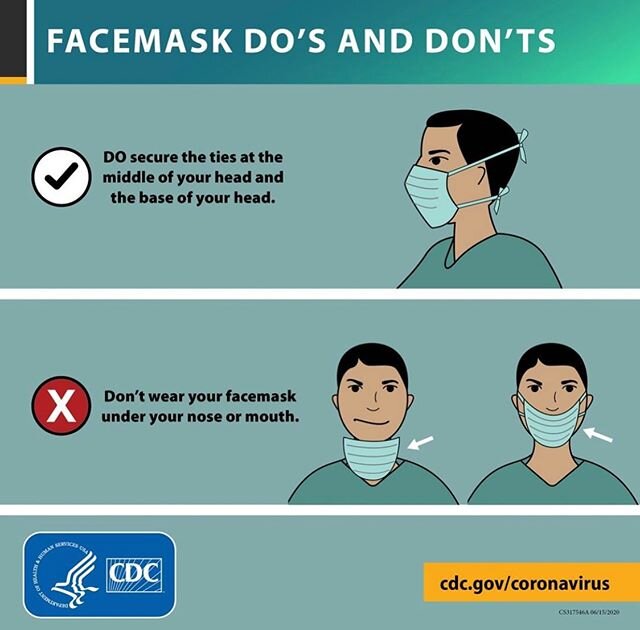
#covid19 cases are surging. 🦠 Everyone can help slow the spread by wearing a #mask CORRECTLY. 😷 Thank you to the @cdcgov for making this visual which shows how NOT to wear a mask & the correct way to do so. 👏🏽 As far as I’ve seen in the
#nurses are here to take care of everyone. #happypride ❤️🧡💛💚💙💜🖤🤍🤎
•••••••••••••••••••••••••••••&b
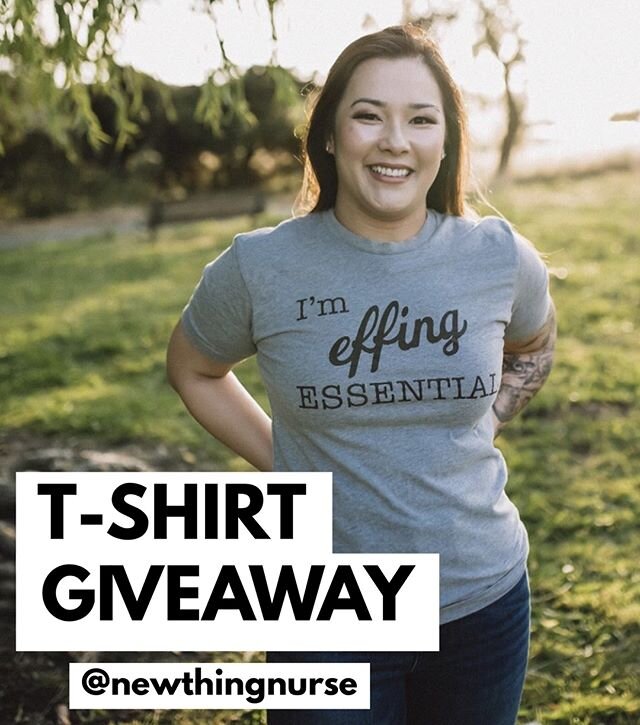
🌟 GIVEAWAY 🌟 •••••••••••••••••••••••••••••••
I’ll be giving away TWO #effingessential t
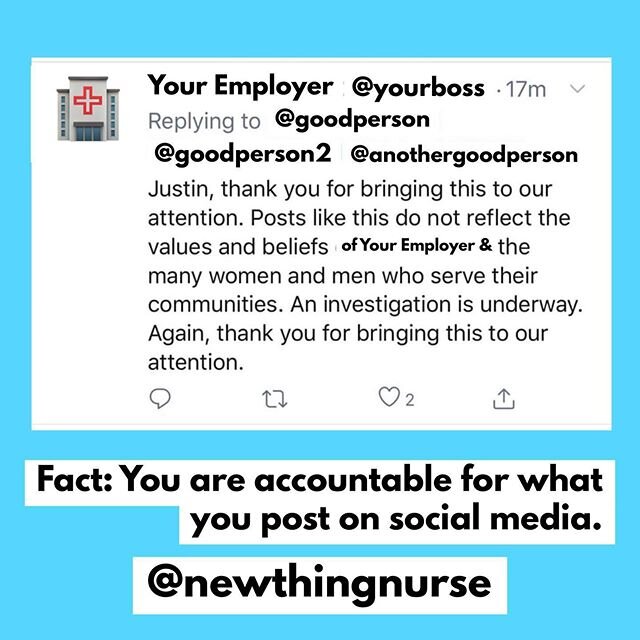
🚨 You can be fired for what you post on #socialmedia as a #healthcare worker 🚨 •
This is 💯 true & is happening every day. Let me do a quick breakdown on how & why: 🖊 When you are hired at a #healthcare facility of almost any size, yo
What could go wrong? #wearamask #covid19 #nursehumor.
#healthcare is the ultimate team sport & #cnas are the backbone of it. Today is the end of #cnaweek, but know that each of you - #cna, #nursingassistant, #patientcaretech, #patientcareassistant & all your other titles - are what makes success
Have an upcoming #interview? @newthingnurse can help with that.
•••••••••••••••••••••••••••••••
Wearing a #mask means you #love your #family & #friends & want to prevent them from being sick, that you love your community & want it to stay #strong, that you #love your country & want it to be able to safely get to our new normal,
January 29, 2022 /Sarah Wells
NURSING, NURSES, NURSE TRIBE, NURSE LIFE, COVID-19, COVID, CORONAVIRUS, NOVEL CORONAVIRUS, HOPE, INSPIRATION, REGISTERED NURSE, REGISTERED NURSES, COVID19, CORONA VIRUS, NOVEL CORONA VIRUS, VIRUS, NURSE, NURSE LEADER, NURSING STUDENT, NURSING SCHOOL, RN, NURSE PRACTITIONER, NP, ADN, BSN, MSN, DNP, CRNA, RNS, PRENURSING, FUTURE NURSE, PRENURSING MAJOR, PRENURSING LIFE, TRAVEL NURSE, TRAVEL, NURSE GRIND, DONATE, ADVOCATE, TEAM, I LOVE NURSES, CNA, COLLEGE, HOSPITAL, HOSPITAL LIFE, SCRUB, SCRUBS, SCRUB LIFE, DOCTOR, MEDICAL, MEDICINE, PANDEMIC, THANKSGIVING, HOLIDAYS, HOLIDAY, RISK, PUBLIC HEALTH, STRONGER TOGETHER, GATHER, GATHERING, CELEBRATING, BE SAFE, VIRTUAL HOLIDAYS, VIRTUAL, REMOTE, EMERGENCY DEPARTMENT, EMERGENCY ROOM, EMERGENCY, EMERGENCY NURSE, ED, ED NURSE, SURGE, HELP, HELP US, HELP YOU, BE KIND, WEAR A MAS, MASK, MASKS, STAY HOME, CREATIVE, emergency room, emergency, emergency nurse, emergency department, ed, ED nurse, emergency nursing, emergency medicine, crisis, disaster, how to, patient info, good to know, what to do, ems
education, emergency nursing, family, how to, inspiration, New Thing Nurse, nurse, nursing, nursing school, nursing students, public health
Comment
IMG_9334.PNG

To gather or not to gather, that is the question.

November 21, 2020 by Sarah Wells in Corona Conversations, emergency nursing, family, gratitude, holidays, New Thing Nurse, nurse, nurse advocacy, public health

Thinking about getting a small group together for Thanksgiving this year?

Many are, but is it worth the risk? And what is the risk?

COVID-19 is raging across America.

The United States is facing another huge surge in COVID-19 cases across the country. As a nation, we have hit new highs of cases per day, hospitalizations and have now surpassed 250,000 deaths from COVID-19.

What does this mean for me?

COVID-19 is basically everywhere. People have been testing positive at a progressively higher rate across the country since September. When more people have the virus, it spreads faster and faster because more people have it to give to others.

And when more people have it, more people wind up in the hospital. In many states, hospitals are FULL meaning they have no beds or no staff to take care of you if you have a medical emergency.

Read that again - MANY HOSPITALS DO NOT HAVE SPACE OR STAFF TO TAKE CARE OF YOU.

That means medical staff have to start making choices about who gets care and who does not. This happened in some states already this year, but this round may be worse. Earlier this year, hospitals were at max capacity in some states but other states were able to help out by taking patient transfers or sending medical workers to help ease staffing shortages. Now, everyone is facing a mounting surge of COVID-19 patients. There are fewer and fewer hospitals with beds available to take any transfers. And no one has staff to send. No help may be coming.

What does this have to do with Thanksgiving?

Thanksgiving is a holiday where families and friends traditionally gather together to eat and visit. This is an especially enticing idea as so many of us have been isolated from our loved ones, and everyone is desperate for a feeling of normalcy in this most not-normal year.

And what I hear from healthcare workers is an even greater desire for something normal. We are carrying huge burdens in our professional and personal lives. That burden is now threatening days that are so special to our family and friends. We are used to working on the holidays but not having our work cancel the holidays for everyone.

However, gathering this year is riskier than you may think. With the rates of COVID-19 so high across the country, the possibility of being able to safely get together, even in small numbers, without someone in that group having COVID-19 is small.

Now you may be asking how I know that. That’s a great question! I know that thanks to the good people at Georgia Tech who have created a website called the “COVID-19 Event Risk Assessment Planning Tool” where you can assess the risk level of attending an event, given the event size and location.

Screen Shot 2020-11-21 at 8.41.40 AM.png

I don’t care what Georgia Tech says. I WANT TO GATHER!

As a University of Georgia alumna, I completely understand where you’re coming from (sorry GT). However Georgia Tech isn’t the only group trying to show the risk of gathering for Thanksgiving and other upcoming holidays.

The Centers for the Disease Control and Prevention (CDC) has on their website - “…the safest way to celebrate Thanksgiving is to celebrate at home with the people you live with.”

Screen Shot 2020-11-21 at 8.45.39 AM.png

The CDC goes on to break down the risk of holiday activities:

Lower Risk Activities

  • Having a small dinner with only people who live in your household

  • Preparing traditional family recipes for family and neighbors, especially those at higher risk of severe illness from COVID-19, and delivering them in a way that doesn’t involve contact with others

  • Having a virtual dinner and sharing recipes with friends and family

  • Shopping online rather than in person on the day after Thanksgiving or the next Monday

  • Watching sports events, parades, and movies from home

Moderate Risk Activities

  • Having a small outdoor dinner with family and friends who live in your community (Lower your risk by following CDC’s recommendations on hosting gatherings or cook-outs.)

  • Visiting pumpkin patches or orchards where people use hand sanitizer before touching pumpkins or picking apples, wearing masks is encouraged or enforced, and people are able to maintain social distancing

  • Attending a small outdoor sports events with safety precautions in place

Higher Risk Activities

Avoid these higher risk activities to help prevent the spread of the virus that causes COVID-19:

  • Going shopping in crowded stores just before, on, or after Thanksgiving

  • Participating or being a spectator at a crowded race

  • Attending crowded parades

  • Attending large indoor gatherings with people from outside of your household

  • Using alcohol or drugs that may alter judgment and make it more difficult to practice COVID-19 safety measures.

Try to get creative!

This year won’t be like the past, but there is an opportunity to make it memorable for fun reasons. Try to get creative with how you are going to connect with the family and friends that you may not be able to see IRL. The National Institutes of Health (NIH) has a great blog (who knew?) that put out a recent post with some fun ways to celebrate Thanksgiving remotely this year:

Send Gifts. Although COVID-19 has changed our lives in many ways, sending cards or gifts remains a relatively easy way to let loved ones know that you’re thinking of them. Who wouldn’t want to receive some home-baked goodies, a basket of fresh fruit, or a festive wreath? If you enjoy knitting, candle making, or other ways of crafting gifts for the holidays, now’s the time to start planning for Thanksgiving through the New Year.

Make Videos. When I’m visiting family, there is often music involved—with guitar, piano, and maybe some singing. But, this year, I’ll have to be content with video recording a few songs and sending them to others by text or email. Come to think of it, the kids and the grandkids might enjoy these songs just as much—or even more—if they can watch them at a time and place that works best for them. (On the other hand, some of them might roll their eyes and decide not to open that video file!) If you don’t play a guitar or like to sing, you can still make your own holiday-themed videos. Maybe share a dance routine, a demonstration of athletic skill, or even some stand-up comedy. The key is to have fun and let your imagination run free.

Share a Meal Remotely. Most of our end-of-the-year holidays involve the family sitting around a table overflowing with delicious food. With all of the videoconferencing platforms now available, it is easy to set aside a block of time to share a meal and good conversation remotely with friends and family members, whether they live nearby or across the country. Rather than one cook slaving over a hot stove or a certain person monopolizing the dinner table conversation, everyone gets a chance to cook and share their stories via their smartphone, tablet, or laptop. You can compare your culinary creations, swap recipes, and try to remember to leave room for dessert. If you have a tradition of playing games or giving thanks for your many blessings, you can still do many of these activities remotely.

Take an After-Dinner Walk. Due to the physical demands and psychological impacts of the COVID-19 pandemic, it’s been difficult for many of us to stay physically active. The key is making exercise a daily priority, and the holidays are no different. After your holiday meal, go on a virtual group walk through your respective neighborhoods to work off the food. Thanks to your smartphone’s camera, you can share your time outdoors and all of the interesting sights along the way. (Yes, the new playground in the local park looks fantastic, and the neighbors really did just paint their house purple!)

If you do gather, be safe.

I know some of you will read this and then gather with your loved ones anyways. If you do, please be safe and follow the CDC guidelines and consider these recommendations from the NIH Blog for safe gatherings:

Stay Safe. If you plan to go ahead and join a holiday gathering in person, it’s important to remain vigilant, even when interacting with dear friends and loved ones. The greatest risk for spread of COVID-19 right now is these family gatherings. Remember there are risks associated with travel and with interacting with people who’ve not been tested for the coronavirus prior to the event, especially if they reside in a COVID hot spot—which is almost everywhere these days. Try to keep any family gatherings brief and relatively small, about five people or less. If the weather permits, hold the get-together outdoors.

To protect yourself and your loved ones, both now and over the holidays, please follow these 3 W’s:

  • Wear a mask when you are out in public and when you are indoors with people who are not part of your immediate household. The only exception is while eating or drinking!

  • Watch your distance, staying at least 6 feet away from people who are not part of your immediate household.

  • Wash your hands thoroughly and frequently.

I don’t have all the answers, but as a nurse I would say do not gather. As a person, I understand if you do but please do it safely.

As an Emergency Department nurse for 10 years, I want you not to gather this holiday season. I will be spending Thanksgiving with my favorite non-family people - my ED co-workers at work in the emergency department. We want to be able to help you if you need it, so please consider not gathering if you can so that we can gather safely next year without the risk of COVID-19.

As a person, I have not seen my family in a year. They live in the Southeast while I live in California. I am a nurse during a pandemic. It has not been in the cards to travel safely this year to see them.

For the holidays, I am going to be flying home to see family. However I am taking a huge amount of time off to do so as safely as possible. I will be flying to Georgia and quarantining for 2 weeks with planned COVID-19 testing for me and the husband, then seeing family in small groups outside with masks on and at least six feet apart when possible with so much hand washing and sanitizing that my skin is already raw thinking about it. I am staying in a separate space, a rental that we have for the entire time we are there plus a rented car. Then upon the return, I will be quarantining for 2 weeks at home.

(I am incredibly lucky to have the flexibility and resources to be able to make this complicated trek. I know that this is not realistic for most.)

This is an impossible time, and we are having to make impossible decisions. Please just know that every decision you make will have repercussions that you must be ready to face if and when they come.

Be well and be safe.

Sarah @ New Thing Nurse


About the Author - Sarah K. Wells, MSN, RN, CEN, CNL is an educator, speaker, blogger and owner of New Thing Nurse, a professional and academic coaching company for the nursing world. New Thing Nurse is organized to provide support and guidance to aspiring nurses, newly graduated nurses, and veteran RNs looking to make a change in their life. 

Whether it’s a new school, new job or new idea,

New Thing Nurse wants to help with your new thing!


Need COVID-19 Resources? Click here!
Need PPE? Click here!
Want to donate to a good cause? Click here!

Have a new thing? Check out our services!

#covid19 cases are surging. 🦠 Everyone can help slow the spread by wearing a #mask CORRECTLY. 😷 Thank you to the @cdcgov for making this visual which shows how NOT to wear a mask & the correct way to do so. 👏🏽 As far as I’ve seen in the
#nurses are here to take care of everyone. #happypride ❤️🧡💛💚💙💜🖤🤍🤎
•••••••••••••••••••••••••••••&b
🌟 GIVEAWAY 🌟 •••••••••••••••••••••••••••••••
I’ll be giving away TWO #effingessential t
🚨 You can be fired for what you post on #socialmedia as a #healthcare worker 🚨 •
This is 💯 true & is happening every day. Let me do a quick breakdown on how & why: 🖊 When you are hired at a #healthcare facility of almost any size, yo
What could go wrong? #wearamask #covid19 #nursehumor.
#healthcare is the ultimate team sport & #cnas are the backbone of it. Today is the end of #cnaweek, but know that each of you - #cna, #nursingassistant, #patientcaretech, #patientcareassistant & all your other titles - are what makes success
Have an upcoming #interview? @newthingnurse can help with that.
•••••••••••••••••••••••••••••••
Wearing a #mask means you #love your #family & #friends & want to prevent them from being sick, that you love your community & want it to stay #strong, that you #love your country & want it to be able to safely get to our new normal,
November 21, 2020 /Sarah Wells
COVID19, CORONA VIRUS, COVID-19, NOVEL CORONA VIRUS, VIRUS, NURSE, NURSE LIFE, NURSING, NURSE LEADER, NURSES, NURSING STUDENT, NURSING SCHOOL, REGISTERED NURSE, RN, NURSE PRACTITIONER, NP, ADN, BSN, MSN, DNP, CRNA, RNS, PRENURSING, FUTURE NURSE, PRENURSING MAJOR, PRENURSING LIFE, TRAVEL NURSE, TRAVEL, NURSE GRIND, DONATE, ADVOCATE, TEAM, I LOVE NURSES, CNA, COLLEGE, HOSPITAL, HOSPITAL LIFE, SCRUB, SCRUBS, SCRUB LIFE, DOCTOR, MEDICAL, MEDICINE, PANDEMIC, Thanksgiving, Holidays, Holiday, Risk, public health, stronger together, gather, gathering, celebrating, be safe, virtual holidays, virtual, remote, emergency department, emergency room, emergency, emergency nurse, ed, ED nurse, medicine, hospital, surge, help, help us, help you, be kind, wear a mas, mask, masks, stay home, creative, family, loved ones, friends, friendsgiving
Corona Conversations, emergency nursing, family, gratitude, holidays, New Thing Nurse, nurse, nurse advocacy, public health
Comment
IMG_2657.PNG

Corona Conversations Vol. 2: Working a COVID-19 Relief Travel Assignment in NYC, Being a New Nurse during the Pandemic, & more with Mica David of @registerednoire

May 03, 2020 by Sarah Wells in travel, student nurse, self care, nursing students, nursing school, nursing, nurse wellness, nurse, New Thing Nurse, inspiration, interview, future nurse, emergency nursing, Corona Conversations, Mica David

Remember how hard it was being a new nurse? No imagine that you are a new nurse during a pandemic.

COVID-19 has been a challenge for everyone in the medical field but for our new nurses, it has been a real shift show. No one taught them to be prepared for a pandemic in nursing school. This year has been a real baptism by fire for us all, and one new nurse has jumped in head first into the chaos.

I want to introduce you to Mica David of @registerednoire. Mica and I met through the Emergency Nurses Association this year, and I have been following her ever since. Mica is a young nurse from Georgia (my home state!) who started her career at a busy Level II trauma center emergency department last year and has recently transitioned to travel nursing. Mica is currently working NYC on a COVID-19 relief contract as her first assignment!

I got to sit down with Mica on one of her days off to discuss what it is like working in NYC on a disaster relief assignment, being a new nurse during COVID-19, and what she is doing to cope with the stress of it all. Mica has some great tips for newer nurses considering travel nursing and shares her post-shift COVID-19 decon process for her apartment (this was fascinating to me - i’m a mega-nerd). Happy watching!

- Sarah @ New Thing Nurse

Follow Mica’s adventures on social media:

Instagram - @registerednoire

YouTube - @registerednoire


need Covid-19 resources? click here
need ppe? click here
Donate to the NTN ppe gofundme to keep healthcare workers safe!

#covid19 cases are surging. 🦠 Everyone can help slow the spread by wearing a #mask CORRECTLY. 😷 Thank you to the @cdcgov for making this visual which shows how NOT to wear a mask & the correct way to do so. 👏🏽 As far as I’ve seen in the
#nurses are here to take care of everyone. #happypride ❤️🧡💛💚💙💜🖤🤍🤎
•••••••••••••••••••••••••••••&b
🌟 GIVEAWAY 🌟 •••••••••••••••••••••••••••••••
I’ll be giving away TWO #effingessential t
🚨 You can be fired for what you post on #socialmedia as a #healthcare worker 🚨 •
This is 💯 true & is happening every day. Let me do a quick breakdown on how & why: 🖊 When you are hired at a #healthcare facility of almost any size, yo
What could go wrong? #wearamask #covid19 #nursehumor.
#healthcare is the ultimate team sport & #cnas are the backbone of it. Today is the end of #cnaweek, but know that each of you - #cna, #nursingassistant, #patientcaretech, #patientcareassistant & all your other titles - are what makes success
Have an upcoming #interview? @newthingnurse can help with that.
•••••••••••••••••••••••••••••••
Wearing a #mask means you #love your #family & #friends & want to prevent them from being sick, that you love your community & want it to stay #strong, that you #love your country & want it to be able to safely get to our new normal,
May 03, 2020 /Sarah Wells
COVID19, CORONA VIRUS, COVID-19, NOVEL CORONA VIRUS, VIRUS, NURSE, NURSE LIFE, NURSING, NURSE LEADER, NURSES, NURSING STUDENT, NURSING SCHOOL, REGISTERED NURSE, RN, NURSE PRACTITIONER, NP, ADN, BSN, MSN, DNP, CRNA, RNS, PRENURSING, FUTURE NURSE, PRENURSING MAJOR, PRENURSING LIFE, TRAVEL NURSE, TRAVEL, NURSE GRIND, DONATE, ADVOCATE, TEAM, I LOVE NURSES, CNA, COLLEGE, HOSPITAL, HOSPITAL LIFE, SCRUB, SCRUBS, SCRUB LIFE, DOCTOR, MEDICAL, MEDICINE, pandemic, stress, STRESS MANAGEMENT, travel nurse, travel nursing, NYC, New York City, travel, new nurse, future nurse, nursing student, nursing school, disaster, disaster relief, travel assignment, traveling, New York, decon, decontamination, emergency, emergency room, emergency department, emergency nurse, ER, er nurse, ED nurse, ed, er
travel, student nurse, self care, nursing students, nursing school, nursing, nurse wellness, nurse, New Thing Nurse, inspiration, interview, future nurse, emergency nursing, Corona Conversations, Mica David
Comment

Powered by Squarespace